



 VaillantAdvance Installer
Home heat pumps, clearly explained
A warmer, more efficient home made simple.
EPC assesses how your home loses and uses heat, recommends the right heat-pump system, manages available grant paperwork and coordinates the installation from survey to handover.
✓Free initial estimate with no obligation
✓Up to £9,000 BUS grant for eligible properties
✓MCS-certified design and installation
Free initial estimate · No obligation · Clear advice before equipment
✓
Heating made simplerAssessment, design, grant application, installation and handover from one EPC team.
Eligible propertiesUp to £9,000towards a qualifying heat-pump installation*
£7,500standard BUS heat-pump grant
£9,000eligible off-gas oil or LPG replacement
1,700+renewable installations completed
4.69 / 5based on 182 reviews
0% VATqualifying residential installation
One teamsurvey, design, installation and support
Established manufacturers, selected around the property
Heat-pump brands EPC works with
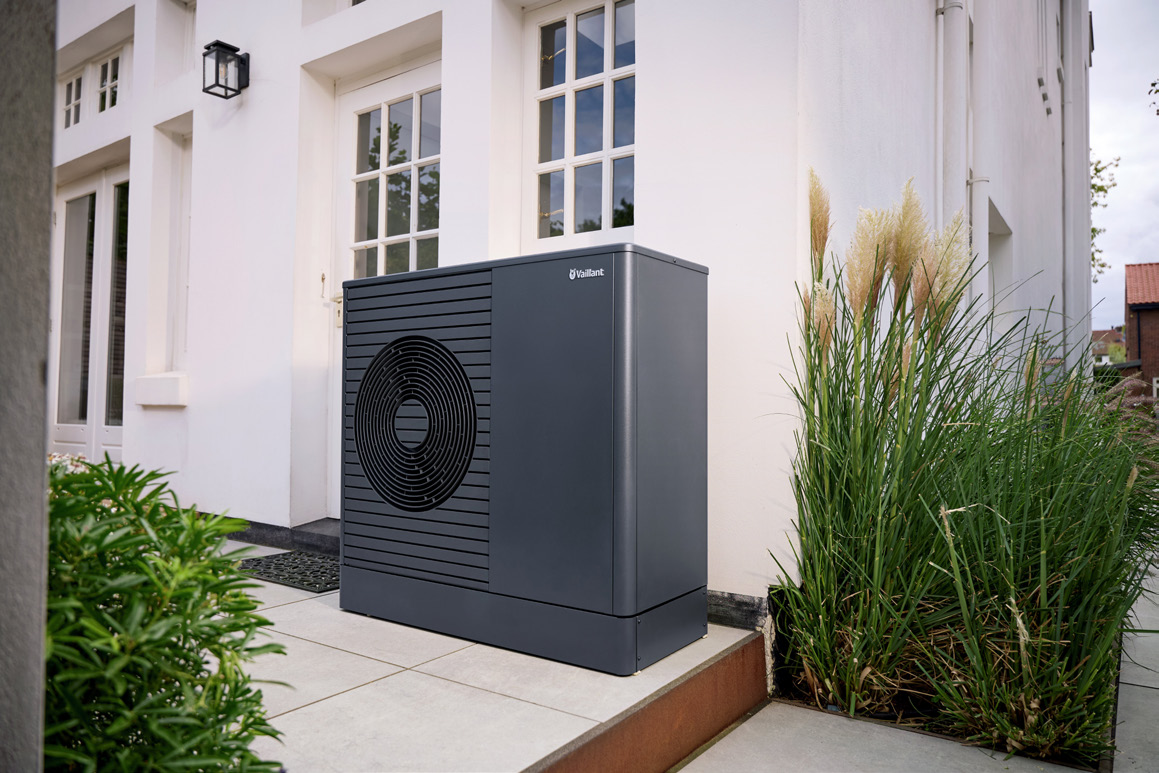
The recommendation starts with your home and required output. EPC then selects suitable equipment from established manufacturers with the right performance, controls, support and warranty.
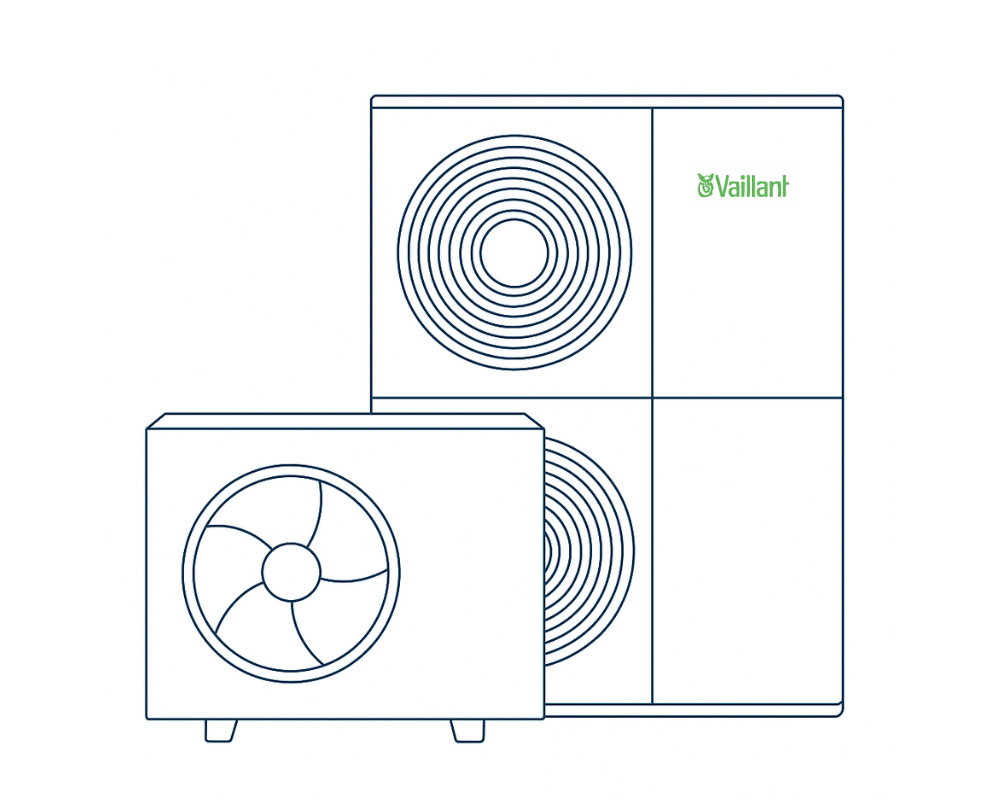
VaillantAdvance Installer ViessmannVIPartner
 Mitsubishi ElectricBusiness Solutions Partner
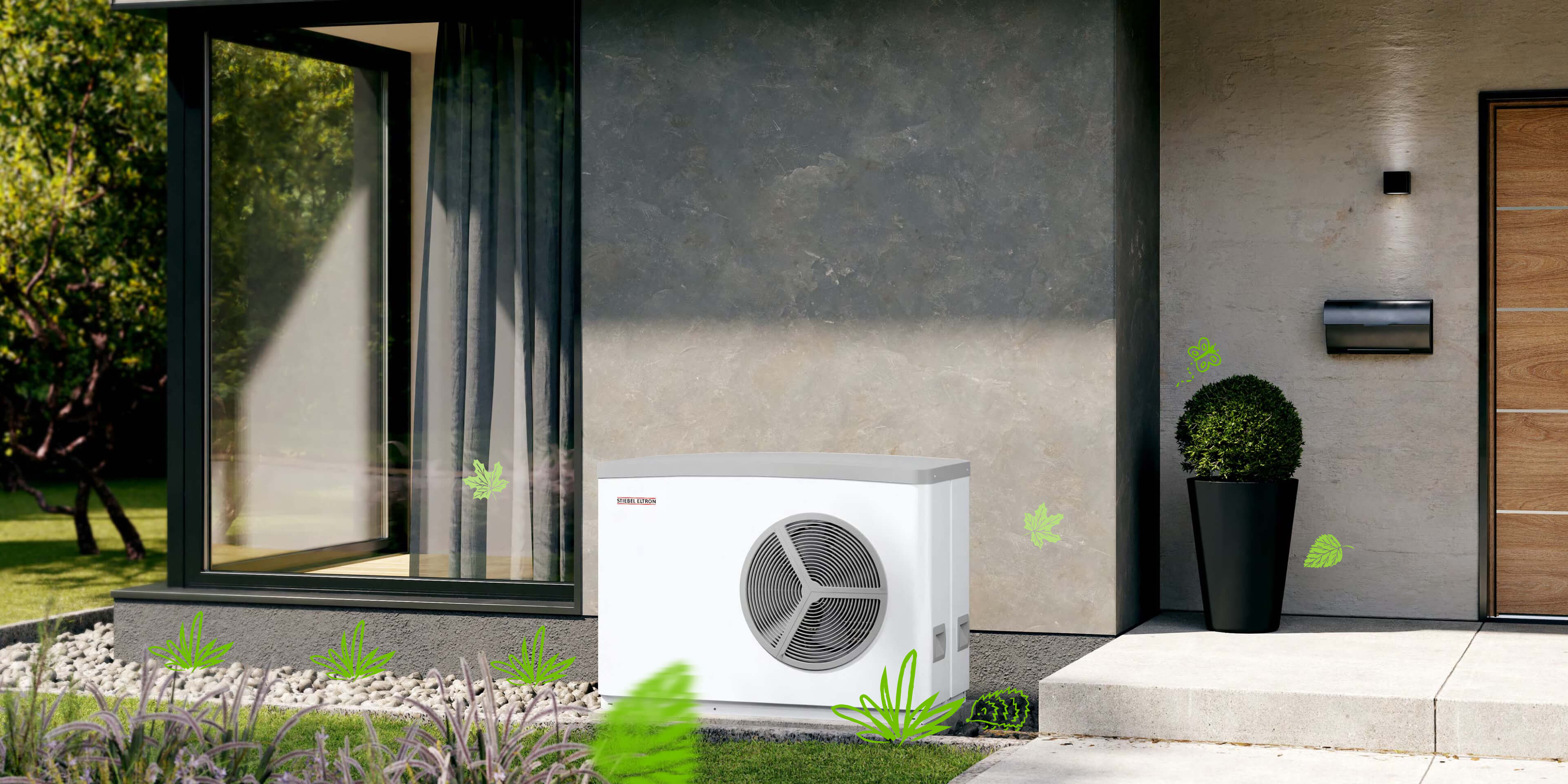
 Stiebel EltronSpecialist Installer
UK-wide renewable-heating support
One EPC standard—wherever your home is.
EPC supports homeowners across the UK with heat-pump advice, system design and installation. Enter your postcode and our team will confirm current survey and installation availability in your area.
Check my postcode →Heat pumps in plain English
The outdoor unit is only one part of the heating system.
A heat pump can make a home comfortable and efficient, but only when the property, heat emitters, hot water and controls are designed to work together.
Check the starting point for my home ↓It moves heat rather than creating it
An air-source heat pump collects low-level heat from outside air and upgrades it for your heating and hot water. It uses electricity, but can deliver several units of heat for each unit of electricity used.
The whole heating system matters
Performance depends on heat loss, flow temperature, radiators or underfloor heating, hot-water demand, controls and how the home is used—not simply the outdoor unit.
The right design starts with your home
EPC surveys the property, calculates room-by-room heat loss and explains any radiator, cylinder, pipework or insulation considerations before the final recommendation.
Why homeowners consider a heat pump
Comfort, clarity and a heating system ready for the future.
The value is not simply the outdoor equipment. It comes from designing the complete heating system around the home and the people living in it.
Comfort designed room by room
A properly designed system delivers steady, controllable warmth based on the heat each room actually needs.
Move away from fossil-fuel heating
Replace a qualifying gas, oil or LPG system with lower-carbon electric heating designed around the property.
Quiet by design and location
EPC considers the selected unit, mounting, airflow, boundaries and neighbouring properties before confirming its position.
Ready for a joined-up energy plan
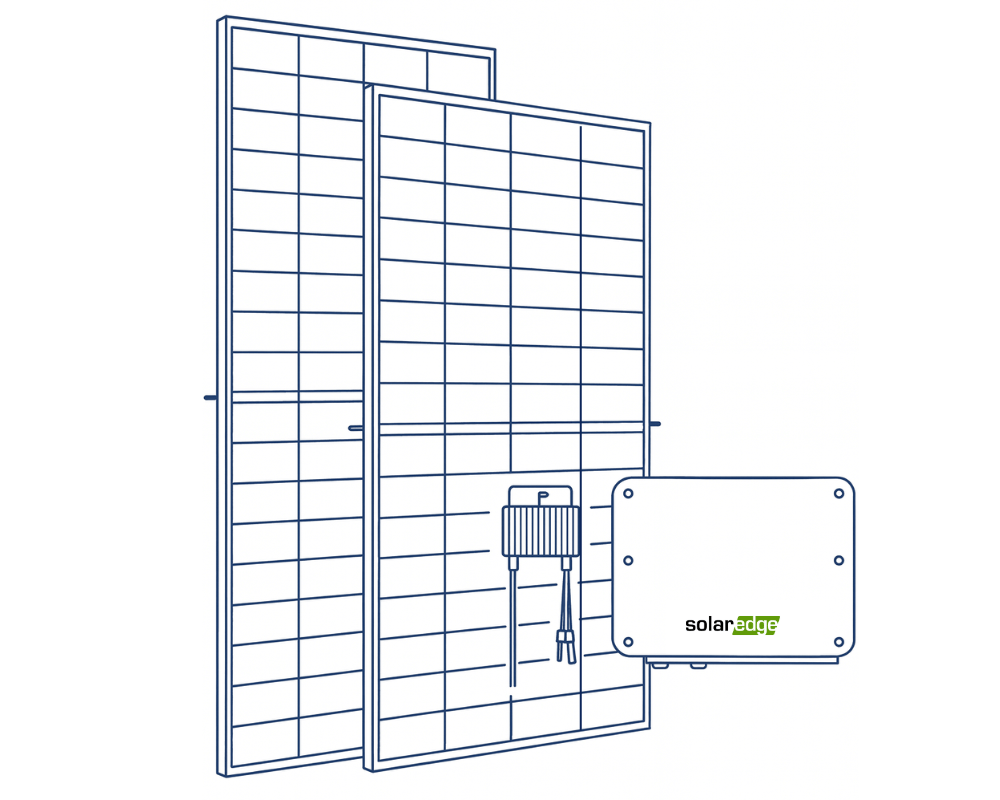
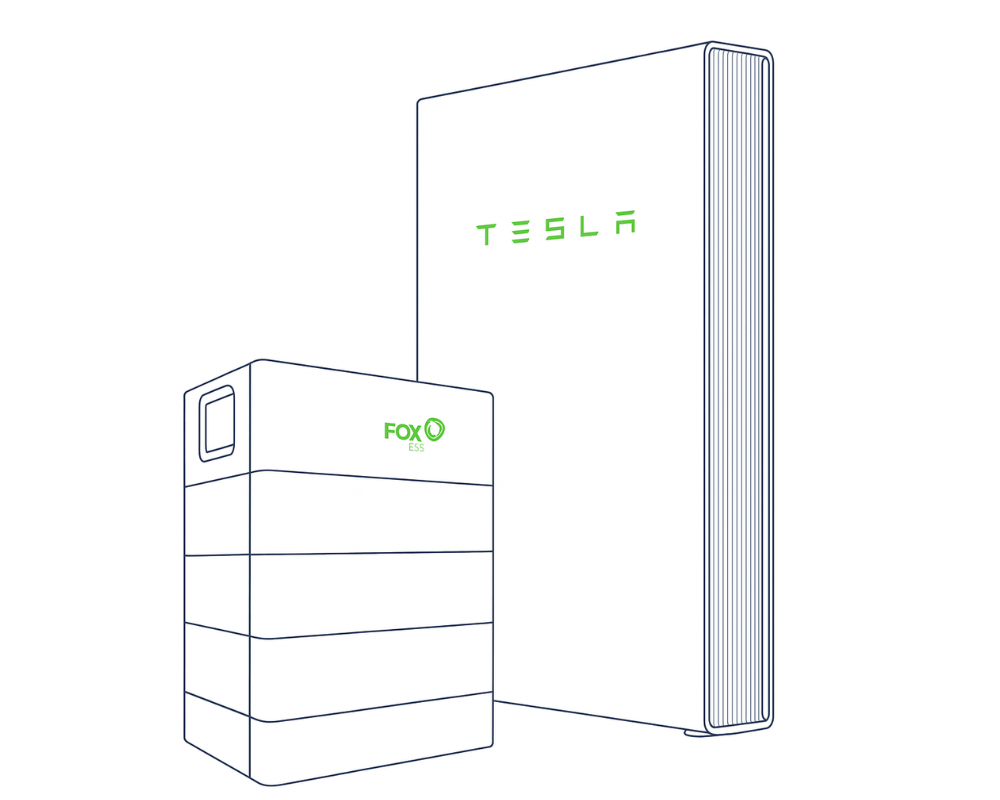
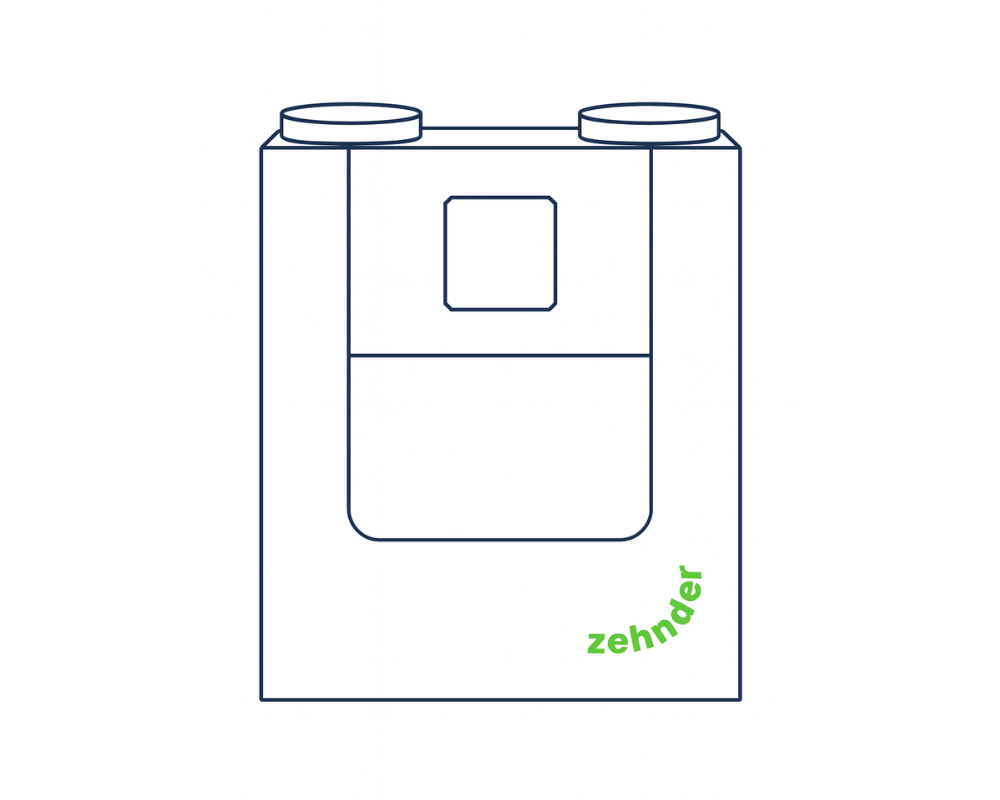
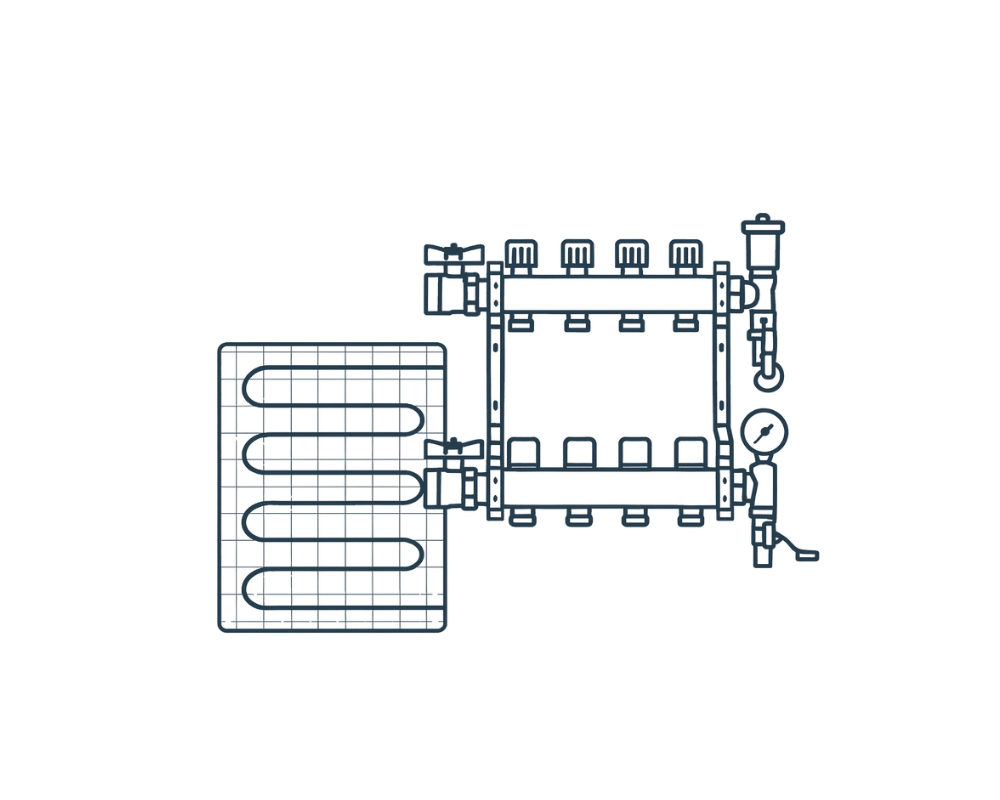
Solar, batteries, underfloor heating, MVHR and future home changes can be considered alongside the heating design.
What EPC assesses
Your home decides the system—not a product brochure.
These six factors shape comfort, running performance, grant eligibility and the work needed. That is why EPC surveys first and recommends equipment second.
Existing heating
Gas, oil, LPG, direct electric or another system affects the recommendation and possible grant route.
Heat loss
Property size, age, glazing, insulation and draughts determine how much heat the home needs.
Heat emitters
Existing radiators may be suitable, while some rooms may need larger radiators or underfloor heating.
Hot water
Most air-to-water systems use a suitable hot-water cylinder, so available space and household demand matter.
Lifestyle
Comfort preferences, occupancy and heating schedules help define the controls and system design.
Future plans
Solar, battery storage, extensions and underfloor heating can be considered in one joined-up plan.
Your initial route
Is a heat pump worth assessing for your home?
Use a few simple property details to see the most sensible next step. This does not size a heat pump or confirm grant eligibility.
Initial EPC guidance
An air-to-water heat pump is worth assessing for your home.
This is an initial route for a family home, not a system size or quotation. EPC would check every radiator against the room-by-room heat loss. A technical survey confirms heat loss, hot-water demand, electrical supply, unit position and any home improvements before EPC recommends equipment.
Funding starting pointYou may qualify for the standard £7,500 BUS grantSubject to property, technology and scheme eligibility. Ofgem makes the final BUS decision.
Request my free estimateA comparison based on your home
What your EPC assessment should compare.
Instead of relying on a universal efficiency or bill-saving claim, EPC brings the existing heating, the building and the proposed system into one clear project picture.
Your current heating
Fuel type, annual use, tariff, controls, hot-water demand and present running cost.
The home itself
Room-by-room heat loss, insulation, glazing, emitters, pipework and electrical supply.
The proposed heat pump
Required output, design temperature, flow temperature, seasonal performance and expected electricity use.
The complete project
Equipment, home upgrades, installation work, eligible grant, finance route and estimated customer contribution.
Illustrative annual savings
Your current heating system changes the saving.
There is no single figure for every home. The fuel being replaced, the heat your property needs, the energy tariff and the performance of the finished system all affect the result.
Heating system being replacedMedium energy useHigher energy use
Modern gas boiler
Medium energy use£148indicative annual saving
Higher energy use£168indicative annual saving
Heating oil
Medium energy use£359–£604indicative annual saving
Higher energy use£531–£893indicative annual saving
LPG boiler
Medium energy use£909indicative annual saving
Higher energy use£1,344indicative annual saving
Economy 7 storage heating
Medium energy use£887indicative annual saving
Higher energy use£1,312indicative annual saving
Direct electric heating
Medium energy use£1,793indicative annual saving
Higher energy use£2,651indicative annual saving
How to read these figures:
Government-modelled comparisons using April–June 2026 energy prices, equivalent useful heat and a heat pump achieving SPF 3.9. The gas comparison assumes the gas connection and its standing charge are removed; retaining gas for cooking reduces the modelled saving. Someone who previously underheated their property may gain considerably more comfort without achieving the full illustrated financial saving. Actual costs depend on heat loss, comfort levels, system performance, tariff, controls and household use.
Control running costs
A property-specific design and suitable tariff help EPC estimate the likely cost before you decide.
Lower-carbon heating
A standard air-source heat pump can produce up to 70% less CO₂ over 15 years than a gas boiler.*
Improve home comfort
Correctly sized equipment and emitters provide steady, controllable warmth based on each room’s heat demand.
*UK Government clean-energy guidance. Actual emissions depend on system performance, electricity supply and the heating system replaced.
 One accountable EPC team
What EPC includes
One complete heat-pump project—not just the equipment.
The final quotation confirms the exact equipment and work required for the property. The complete EPC route is designed to cover every stage below.
✓Free initial estimate and property discussion
✓Technical survey and room-by-room heat-loss design
✓Property-specific equipment recommendation
✓Heat pump, controls and agreed hot-water equipment
✓Installation, commissioning and MCS certification
✓Boiler Upgrade Scheme application where eligible
✓Controls demonstration and customer handover
✓Warranty registration and available support packages
Current support for eligible homes
Understand the funding before choosing the system.
There is no broad grant for replacing a gas or oil boiler with another fossil-fuel boiler. Current support is directed towards low-carbon heating or targeted whole-home improvements.
Standard BUS grant
01Air-to-water or ground-source heat pump
Available for eligible property owners in England and Wales replacing a qualifying fossil-fuel or direct-electric heating system.
Temporary off-gas uplift
02Eligible oil or LPG replacement
For qualifying off-gas properties installing an air-to-water or ground-source heat pump. Current uplift applies until 31 March 2027.
BUS grant
03Air-to-air heat pump
Available for eligible residential air-to-air systems. These heat and cool rooms but do not normally provide domestic hot water.
Targeted support
04ECO4 and local routes
Some lower-income or vulnerable households may qualify for wider whole-home support through an energy supplier or local-authority Flex route.
Important:Scheme rules, values and deadlines can change. EPC will check the current route for your property and show any approved grant as an upfront deduction. The official sources in the FAQ should be checked before a financial decision.
Recommendations based on need
Three common routes.
One property-specific design.
EPC does not lead with a fixed heat-pump model. We identify the right route, calculate the heat loss and only then confirm the equipment.
Most common retrofit
Air-to-water heat pump
Designed to provide space heating and hot water through radiators, underfloor heating and a suitable cylinder.
- ✓Room-by-room heat-loss design
- ✓Radiator and cylinder assessment
- ✓Weather-compensated controls
Joined-up home
Heat pump + other renewables
Coordinate the heat pump with solar panels, battery storage, underfloor heating or MVHR as part of one home-energy plan.
- ✓Technologies planned together
- ✓Future electricity demand considered
- ✓One accountable EPC team
Off-gas opportunity
Oil or LPG replacement
A tailored route for homes without mains gas, with the temporary £9,000 BUS grant considered where eligibility is met.
- ✓Current fuel and annual use reviewed
- ✓Grant route checked before commitment
- ✓Whole system designed for the property
One coordinated process
Clear from first conversation to final handover.
Free initial estimate
Tell us about the property, existing heating, energy use and what you want to improve.
Technical home survey
A technical surveyor—not simply a salesperson—assesses heat loss, emitters, hot water and installation requirements.
Clear design and quotation
EPC explains the system, home upgrades, grant, estimated performance and total project cost before you decide.
Installation and handover
Our team coordinates installation, commissioning, MCS certification, controls training and ongoing support.
0% Finance options
Approved finance options are available, subject to age, status, affordability, lender terms and the final installation package.
Ask EPC for details →UK-wide coverage
EPC supports projects across the UK. Postcode availability is confirmed before arranging the next step.
Ask EPC for details →Handover and aftercare
The team explains the controls, registers the agreed warranties and can provide ongoing servicing and support options.
Ask EPC for details →Real EPC projects
Different homes need different heating designs.
From large existing properties to joined-up new-build systems, these projects show why the recommendation has to start with the building.
 Norwich
Heat pump installed on a nine-bedroom home
A Stiebel Eltron air-source system selected to future-proof a substantial 420 m² property.
Plan my project → Fryerning
A joined-up new-build energy system
Heat pump, underfloor heating and MVHR coordinated for a high-specification home.
Plan my project → Canvey Island
Two-bedroom static home moves to a heat pump
A Mitsubishi air-source heat-pump system installed for a very different type of UK home.
Plan my project → Maldon
Four-bedroom heating upgrade
A Mitsubishi air-source heat pump used to modernise and future-proof the home.
Plan my project →1,700+renewable installations completed
Excellent Reviews4.69 based on 182 reviews
MCS Certifiedscheme-compliant design and installation
TrustMarkaccredited installation company
Everything your home needs
Complete Renewable Energy Solutions
EPC can coordinate heating, power and ventilation as part of one joined-up home-energy plan, or help you begin with the individual solution you need now.
Heat-pump questions
Clear answers before you decide.
Funding, planning and system performance depend on the property. These answers explain the starting point without pretending every home is the same.
Ask EPC about my home →How much Boiler Upgrade Scheme funding could I receive?+
For eligible properties in England and Wales, the current Boiler Upgrade Scheme provides £7,500 towards an air-to-water or ground-source heat pump, £2,500 towards an eligible residential air-to-air heat pump, and £5,000 towards biomass in limited circumstances. Eligible off-gas properties replacing oil or LPG with an air-to-water or ground-source heat pump can currently receive £9,000 until 31 March 2027.
Who is eligible for the Boiler Upgrade Scheme?+
The scheme is for property owners in England and Wales replacing a qualifying fossil-fuel or direct-electric heating system. It can include homeowners, private landlords, second homes and eligible small non-domestic properties. Most new builds, social housing and properties that have already received public funding for a heat pump are excluded. EPC can check the proposed technology and property route, while Ofgem makes the final eligibility decision.
How is the grant claimed?+
The Boiler Upgrade Scheme is installer-led. An MCS-certified installer applies for and redeems the voucher on the property owner’s behalf. The approved grant is shown as an upfront reduction on the quotation and invoice rather than paid directly to the homeowner.
Can ECO4 pay for a heat pump or replacement boiler?+
ECO4 is targeted support rather than a universal grant. Eligible lower-income or vulnerable households may receive a package of measures through an obligated energy supplier or local-authority Flex route. The work is based on a whole-home assessment and the approved measures vary, so a heat pump or boiler replacement is not automatically guaranteed. ECO4 currently runs to 31 December 2026.
Do heat pumps make a lot of noise?+
Modern air-source heat pumps are designed for residential use, but every outdoor unit produces some sound. The final result depends on the model, operating conditions, mounting and location. EPC assesses noise as part of the MCS design and planning process rather than relying on one generic decibel claim.
Will a heat pump work during a cold UK winter?+
Yes, when the system is correctly selected and designed. Modern heat pumps can extract heat from cold outdoor air. EPC sizes the system using the property’s design heat loss and local design temperature so winter performance is considered before installation.
Will it work with my existing radiators or underfloor heating?+
Often, but it must be checked room by room. Underfloor heating works particularly well with lower flow temperatures. Existing radiators may be suitable in some rooms, while others may need larger radiators or changes to achieve the required output efficiently.
Can a heat pump work with solar panels and battery storage?+
Yes. Solar can contribute electricity while it is generating, and a battery may help shift some electricity use. The best combination depends on seasonal generation, heat-pump demand, tariff and battery capacity, so EPC considers the technologies together rather than promising that solar will cover all heating use.
Where is the outdoor unit installed?+
Usually at the side or rear of the property on a stable base or suitable wall brackets, with adequate airflow and service access. The exact position is chosen after considering noise, pipe runs, appearance, drainage, boundaries and planning requirements.
Do I need planning permission?+
Many domestic air-source heat-pump installations in England fall under permitted development, but only when all relevant limits and conditions are met, including the applicable MCS planning standard. Listed buildings, conservation areas, flats and some locations may need additional approval. EPC checks the proposed position and flags when planning advice or permission is required.
Does 0% VAT apply to heat-pump installations?+
Qualifying installations of air-source, ground-source and water-source heat pumps in residential accommodation are currently zero-rated for VAT until 31 March 2027. EPC will confirm the VAT treatment that applies to the final installation.
How much will a heat pump cost after the grant?+
There is no reliable single figure for every home. The final customer contribution depends on the required heat-pump output, cylinder, controls, radiators or underfloor heating, pipework, electrical work and access. EPC’s quotation should show the complete project price, any approved grant deduction and the remaining amount clearly.
How much could a heat pump save me each year?+
The heating system being replaced makes a major difference. Using April–June 2026 government modelling for a medium-energy-use household and a well-designed heat pump achieving SPF 3.9, the indicative annual saving is £148 against a modern gas boiler, £359–£604 against heating oil, £909 against LPG, £887 against Economy 7 storage heating and £1,793 against direct electric heating. For a higher-energy-use household, the corresponding figures are £168, £531–£893, £1,344, £1,312 and £2,651. These are illustrative comparisons rather than guaranteed household savings.
Will a heat pump always be cheaper than gas?+
Not necessarily. Savings against a modern gas boiler may be modest, particularly if the gas connection is retained or the heat pump performs poorly. A well-designed system, suitable flow temperatures, correct controls and an appropriate electricity tariff all affect the outcome. EPC compares the current heating information with the proposed system performance rather than promising a universal saving.
Will a heat pump reduce my carbon footprint even if my bills stay similar?+
Usually, yes. Financial savings and carbon savings are different outcomes. A correctly designed heat pump moves heat efficiently rather than burning fuel in the home and can deliver around three to four units of heat for each unit of electricity used. UK Government guidance says a standard air-source heat pump can produce up to 70% less carbon dioxide over 15 years than a gas boiler. The actual result depends on system performance, the electricity supply and the heating system being replaced.
Why does heat-pump design affect the running cost?+
Heat pumps operate most efficiently when they can heat the property using lower water temperatures. Accurate room-by-room heat-loss calculations, correct equipment sizing, suitable radiators or underfloor heating, effective controls and proper commissioning all affect how much electricity the system uses. A poorly designed system may provide little or no saving even when the equipment itself is high quality.
What does SPF mean?+
Seasonal Performance Factor measures the useful heat produced for each unit of electricity used across a complete year. An SPF of 3.9 means the system supplies approximately 3.9 units of heat for every unit of electricity consumed. EPC calculates the expected seasonal performance for the proposed system and property before the final recommendation.
Will I need a new hot-water cylinder?+
Most air-to-water heat-pump systems need a compatible hot-water cylinder. Some homes already have a suitable cylinder, while others need a new one or a different location. EPC checks household hot-water demand and available space during the survey.
How long does installation take and how disruptive is it?+
The duration depends on the property and agreed scope, including cylinder, radiator, pipework and electrical changes. EPC confirms the planned programme before work begins and coordinates removal, installation, commissioning and handover to minimise disruption.
What warranties, servicing and support are available?+
Warranty length and conditions depend on the selected manufacturer and installed components. EPC registers the agreed warranties, explains the controls at handover and can confirm the servicing and ongoing support options included or available for the final package.
Will my electricity supply need upgrading?+
Not always. EPC checks the existing electrical supply, consumer equipment and proposed heat-pump demand. Where a supply or electrical upgrade is needed, this should be identified and explained before the final installation is agreed.
Which areas of the UK does EPC cover?+
EPC supports heat-pump projects across the UK. Survey and installation availability can vary by postcode and current team capacity, so enter the property postcode and EPC will confirm the appropriate next step.
Are finance options available?+
Finance options may be available for eligible customers and suitable packages. Credit is subject to age, status, affordability and lender terms. EPC Improvements Ltd acts as a credit broker rather than a lender, and the approved illustration must be reviewed before entering an agreement.
Start with a conversation
Get the heating strategy right before choosing the equipment.
Tell EPC about your property and current heating. We’ll explain the sensible next step, the likely funding route and what a technical survey needs to confirm.
Designed together.
Installed together.
Built to work together.
Installed together.
Built to work together.